
House Renovation Costs and Planning in Uganda
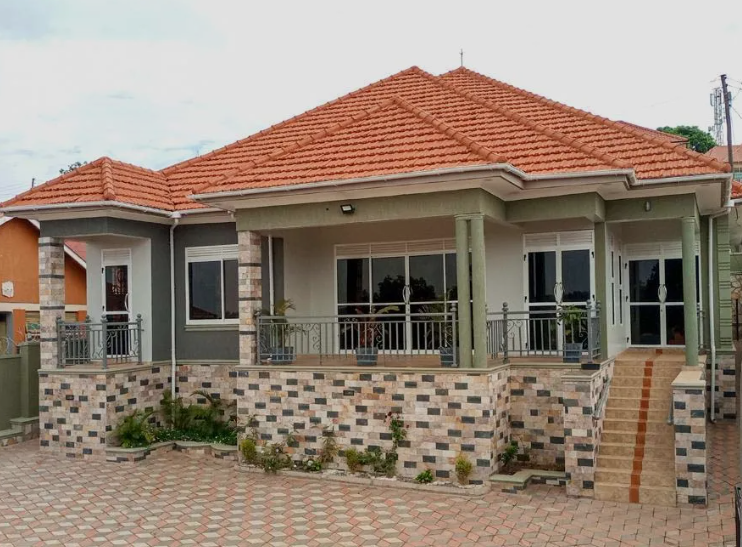
Planning an existing property becomes easier when you understand the decisions behind renovation planning. Many problems begin before workers arrive because the scope is unclear or important checks are postponed. This practical guide to house renovation Uganda explains how to organise inspection, scope, structural changes, services, finishes and occupation while keeping records that your contractor and consultant can follow.
| Planning item | What you should confirm | Useful record |
|---|---|---|
| Project scope | Exact work included in renovation planning | Drawings and written specification |
| Quantities | Measured materials and completed work | Bill of quantities or schedule |
| Programme | Start dates, sequence and realistic duration | Work programme and updates |
| Quality | Inspection points and acceptable finish | Site reports and photographs |
| Payment | Valuation method, deductions and receipts | Signed payment certificate |
Understanding Renovation Planning in Uganda

Good workmanship is easier to achieve when the sequence is agreed early. For renovation planning, review the site location, intended use, drawings and available budget and relate it to inspection, scope, structural changes, services, finishes and occupation. Avoid approving work simply because activity is visible on site. Check dimensions, material specifications, completed quantities and the condition of the surface that will receive the next stage. Ask the responsible professional to record any change that affects strength, cost, appearance or completion time.
Do not judge the work by appearance alone. For renovation planning, review the site location, intended use, drawings and available budget and relate it to inspection, scope, structural changes, services, finishes and occupation. Avoid approving work simply because activity is visible on site. Check dimensions, material specifications, completed quantities and the condition of the surface that will receive the next stage. Photographs, delivery notes and signed measurements give both the client and contractor a useful record.
Start With a Site and Needs Assessment
Begin with the information that can be checked on site. For renovation planning, review access, boundaries, slope, soil, water movement and neighbouring property and relate it to the proposed size and use of the building. Avoid approving work simply because activity is visible on site. Check dimensions, material specifications, completed quantities and the condition of the surface that will receive the next stage. Where specialist design or approval is required, use a suitably qualified Ugandan professional and follow the current local process.
Put the decision in writing before materials are ordered. For renovation planning, review access, boundaries, slope, soil, water movement and neighbouring property and relate it to the proposed size and use of the building. Avoid approving work simply because activity is visible on site. Check dimensions, material specifications, completed quantities and the condition of the surface that will receive the next stage. This approach protects the budget because problems are found before the next trade covers the work.
Prepare Drawings and a Clear Scope
A practical review should compare the drawing with the real conditions. For renovation planning, review architectural details, structural requirements and service routes and relate it to who supplies each material and who approves changes. Avoid approving work simply because activity is visible on site. Check dimensions, material specifications, completed quantities and the condition of the surface that will receive the next stage. Ask the responsible professional to record any change that affects strength, cost, appearance or completion time.
Cost control works best when quantities and responsibilities are clear. For renovation planning, review architectural details, structural requirements and service routes and relate it to who supplies each material and who approves changes. Avoid approving work simply because activity is visible on site. Check dimensions, material specifications, completed quantities and the condition of the surface that will receive the next stage. Photographs, delivery notes and signed measurements give both the client and contractor a useful record.
Practical check for prepare drawings and a clear scope
Cost control works best when quantities and responsibilities are clear. For renovation planning, review the documents and approvals connected with prepare drawings and a clear scope and relate it to inspection, scope, structural changes, services, finishes and occupation. Avoid approving work simply because activity is visible on site. Check dimensions, material specifications, completed quantities and the condition of the surface that will receive the next stage. Photographs, delivery notes and signed measurements give both the client and contractor a useful record.
Build a Realistic Cost Plan
Good workmanship is easier to achieve when the sequence is agreed early. For renovation planning, review measured quantities, current supplier quotations and labour outputs and relate it to transport, wastage, temporary works, approvals and contingency. Avoid approving work simply because activity is visible on site. Check dimensions, material specifications, completed quantities and the condition of the surface that will receive the next stage. Where specialist design or approval is required, use a suitably qualified Ugandan professional and follow the current local process.
Do not judge the work by appearance alone. For renovation planning, review measured quantities, current supplier quotations and labour outputs and relate it to transport, wastage, temporary works, approvals and contingency. Avoid approving work simply because activity is visible on site. Check dimensions, material specifications, completed quantities and the condition of the surface that will receive the next stage. This approach protects the budget because problems are found before the next trade covers the work.
Choose Materials for the Intended Use
Begin with the information that can be checked on site. For renovation planning, review strength, moisture exposure, maintenance and local availability and relate it to manufacturer instructions and project specifications. Avoid approving work simply because activity is visible on site. Check dimensions, material specifications, completed quantities and the condition of the surface that will receive the next stage. Ask the responsible professional to record any change that affects strength, cost, appearance or completion time.
Put the decision in writing before materials are ordered. For renovation planning, review strength, moisture exposure, maintenance and local availability and relate it to manufacturer instructions and project specifications. Avoid approving work simply because activity is visible on site. Check dimensions, material specifications, completed quantities and the condition of the surface that will receive the next stage. Photographs, delivery notes and signed measurements give both the client and contractor a useful record.
Select and Manage the Contractor
A practical review should compare the drawing with the real conditions. For renovation planning, review relevant completed work, staff, equipment, references and financial capacity and relate it to a written offer with exclusions and a practical programme. Avoid approving work simply because activity is visible on site. Check dimensions, material specifications, completed quantities and the condition of the surface that will receive the next stage. Where specialist design or approval is required, use a suitably qualified Ugandan professional and follow the current local process.
Cost control works best when quantities and responsibilities are clear. For renovation planning, review relevant completed work, staff, equipment, references and financial capacity and relate it to a written offer with exclusions and a practical programme. Avoid approving work simply because activity is visible on site. Check dimensions, material specifications, completed quantities and the condition of the surface that will receive the next stage. This approach protects the budget because problems are found before the next trade covers the work.
Practical check for select and manage the contractor
Begin with the information that can be checked on site. For renovation planning, review the documents and approvals connected with select and manage the contractor and relate it to inspection, scope, structural changes, services, finishes and occupation. Avoid approving work simply because activity is visible on site. Check dimensions, material specifications, completed quantities and the condition of the surface that will receive the next stage. Ask the responsible professional to record any change that affects strength, cost, appearance or completion time.
Control Quality During Construction
Good workmanship is easier to achieve when the sequence is agreed early. For renovation planning, review setting out, levels, alignment, reinforcement, concrete, joints and finishes and relate it to inspection points before work is covered. Avoid approving work simply because activity is visible on site. Check dimensions, material specifications, completed quantities and the condition of the surface that will receive the next stage. Ask the responsible professional to record any change that affects strength, cost, appearance or completion time.
Do not judge the work by appearance alone. For renovation planning, review setting out, levels, alignment, reinforcement, concrete, joints and finishes and relate it to inspection points before work is covered. Avoid approving work simply because activity is visible on site. Check dimensions, material specifications, completed quantities and the condition of the surface that will receive the next stage. Photographs, delivery notes and signed measurements give both the client and contractor a useful record.
Manage Payments and Variations
Begin with the information that can be checked on site. For renovation planning, review completed measurable work, approved materials and agreed milestones and relate it to written instructions for additions, omissions or substitutions. Avoid approving work simply because activity is visible on site. Check dimensions, material specifications, completed quantities and the condition of the surface that will receive the next stage. Where specialist design or approval is required, use a suitably qualified Ugandan professional and follow the current local process.
Put the decision in writing before materials are ordered. For renovation planning, review completed measurable work, approved materials and agreed milestones and relate it to written instructions for additions, omissions or substitutions. Avoid approving work simply because activity is visible on site. Check dimensions, material specifications, completed quantities and the condition of the surface that will receive the next stage. This approach protects the budget because problems are found before the next trade covers the work.
Practical check for manage payments and variations
A practical review should compare the drawing with the real conditions. For renovation planning, review the documents and approvals connected with manage payments and variations and relate it to inspection, scope, structural changes, services, finishes and occupation. Avoid approving work simply because activity is visible on site. Check dimensions, material specifications, completed quantities and the condition of the surface that will receive the next stage. Where specialist design or approval is required, use a suitably qualified Ugandan professional and follow the current local process.
Plan for Safety and Site Organisation
A practical review should compare the drawing with the real conditions. For renovation planning, review access control, PPE, housekeeping, safe storage and work at height and relate it to workers, visitors, neighbours and the public. Avoid approving work simply because activity is visible on site. Check dimensions, material specifications, completed quantities and the condition of the surface that will receive the next stage. Ask the responsible professional to record any change that affects strength, cost, appearance or completion time.
Cost control works best when quantities and responsibilities are clear. For renovation planning, review access control, PPE, housekeeping, safe storage and work at height and relate it to workers, visitors, neighbours and the public. Avoid approving work simply because activity is visible on site. Check dimensions, material specifications, completed quantities and the condition of the surface that will receive the next stage. Photographs, delivery notes and signed measurements give both the client and contractor a useful record.
Inspect, Test and Hand Over
Good workmanship is easier to achieve when the sequence is agreed early. For renovation planning, review visible defects, service testing, cleaning and operating information and relate it to a written list of incomplete or defective work. Avoid approving work simply because activity is visible on site. Check dimensions, material specifications, completed quantities and the condition of the surface that will receive the next stage. Where specialist design or approval is required, use a suitably qualified Ugandan professional and follow the current local process.
Do not judge the work by appearance alone. For renovation planning, review visible defects, service testing, cleaning and operating information and relate it to a written list of incomplete or defective work. Avoid approving work simply because activity is visible on site. Check dimensions, material specifications, completed quantities and the condition of the surface that will receive the next stage. This approach protects the budget because problems are found before the next trade covers the work.
Common Questions
How early should I plan renovation planning?
Start before purchasing major materials. Early planning allows drawings, quantities, quotations, access and cash flow to be coordinated.
Should I choose the cheapest quotation?
Compare scope, quantities, material quality, supervision, timing and exclusions. A low figure can become expensive when essential work is missing.
How can I monitor quality?
Agree inspection stages, keep site reports and photograph work before it is covered. Use professional advice where structural or regulated work is involved.
What should happen when the design changes?
Record the instruction, price and time effect before proceeding where possible. Update drawings when the change affects later work.
How much contingency should I keep?
The suitable allowance depends on how complete the design is and the risks on the site. Discuss a project-specific figure with the quantity surveyor or cost adviser.
Speak to Kasanje Construction Company
If you are planning an existing property, Kasanje Construction Company can discuss the site, drawings and required scope with you. Share the location, intended use, available plans and expected starting period. A clear first discussion helps the team identify the information needed before giving a detailed proposal.
Important: Costs, approval procedures and technical requirements change by location and project. Confirm current requirements with the relevant authority and qualified project professionals before construction.
Detailed Planning Notes for House Renovation Costs and Planning in Uganda
Begin with the information that can be checked on site. For renovation planning, review inspection, scope, structural changes, services, finishes and occupation and relate it to the long-term performance of an existing property, local weather and access for maintenance. Avoid approving work simply because activity is visible on site. Check dimensions, material specifications, completed quantities and the condition of the surface that will receive the next stage. Ask the responsible professional to record any change that affects strength, cost, appearance or completion time.
Put the decision in writing before materials are ordered. For renovation planning, review inspection, scope, structural changes, services, finishes and occupation and relate it to the long-term performance of an existing property, local weather and access for maintenance. Avoid approving work simply because activity is visible on site. Check dimensions, material specifications, completed quantities and the condition of the surface that will receive the next stage. Photographs, delivery notes and signed measurements give both the client and contractor a useful record.
A practical review should compare the drawing with the real conditions. For renovation planning, review inspection, scope, structural changes, services, finishes and occupation and relate it to the long-term performance of an existing property, local weather and access for maintenance. Avoid approving work simply because activity is visible on site. Check dimensions, material specifications, completed quantities and the condition of the surface that will receive the next stage. Where specialist design or approval is required, use a suitably qualified Ugandan professional and follow the current local process.
Cost control works best when quantities and responsibilities are clear. For renovation planning, review inspection, scope, structural changes, services, finishes and occupation and relate it to the long-term performance of an existing property, local weather and access for maintenance. Avoid approving work simply because activity is visible on site. Check dimensions, material specifications, completed quantities and the condition of the surface that will receive the next stage. This approach protects the budget because problems are found before the next trade covers the work.
Good workmanship is easier to achieve when the sequence is agreed early. For renovation planning, review inspection, scope, structural changes, services, finishes and occupation and relate it to the long-term performance of an existing property, local weather and access for maintenance. Avoid approving work simply because activity is visible on site. Check dimensions, material specifications, completed quantities and the condition of the surface that will receive the next stage. Ask the responsible professional to record any change that affects strength, cost, appearance or completion time.
Do not judge the work by appearance alone. For renovation planning, review inspection, scope, structural changes, services, finishes and occupation and relate it to the long-term performance of an existing property, local weather and access for maintenance. Avoid approving work simply because activity is visible on site. Check dimensions, material specifications, completed quantities and the condition of the surface that will receive the next stage. Photographs, delivery notes and signed measurements give both the client and contractor a useful record.
Begin with the information that can be checked on site. For renovation planning, review inspection, scope, structural changes, services, finishes and occupation and relate it to the long-term performance of an existing property, local weather and access for maintenance. Avoid approving work simply because activity is visible on site. Check dimensions, material specifications, completed quantities and the condition of the surface that will receive the next stage. Where specialist design or approval is required, use a suitably qualified Ugandan professional and follow the current local process.
Put the decision in writing before materials are ordered. For renovation planning, review inspection, scope, structural changes, services, finishes and occupation and relate it to the long-term performance of an existing property, local weather and access for maintenance. Avoid approving work simply because activity is visible on site. Check dimensions, material specifications, completed quantities and the condition of the surface that will receive the next stage. This approach protects the budget because problems are found before the next trade covers the work.